
Scotch Whisky Regions Explained: Speyside vs Islay vs Highlands Flavor Profiles
So, what’s the big deal with Scotch regions? Well, it’s pretty simple, really. Speyside produces elegant, fruit-forward whiskies that often have lovely honey and apple notes. On the other hand, Islay creates intensely peated, smoky expressions that taste of the sea. And then you’ve got the Highlands, which offer the most diverse range of all—from light and grassy to rich and full of sherry flavour. Each region’s unique climate, water, and traditional way of doing things create a signature taste that defines Scotland’s whisky identity. To put it in Malaysian terms, it’s just like how Penang food is so different from Kelantan food because of the local ingredients and cooking styles. A whisky’s “hometown” in Scotland gives it a unique character you can count on.
Table of Contents
- What Are Scotch Whisky Regions?
- Speyside: The Elegant Heart of Scotch
- Islay: Scotland’s Smoke and Peat Capital
- Highland Scotch: Scotland’s Most Diverse Region
- Regional Comparison: Choosing Your Perfect Style
- Production Methods That Shape Regional Character
- Building Your Regional Whisky Collection
- Why Understanding Scotch Regions Matters for Malaysian Buyers
Getting a handle on these regional differences is a game-changer, whether you’re new to whisky or a seasoned collector looking for your next bottle. In our experience serving Malaysian customers, we’ve found that knowing about the regions helps you pick whiskies that you’ll actually love and helps you avoid spending money on something that isn’t to your taste. What this means for you is more confidence when you’re buying a gift or a bottle for yourself—no more just picking the nicest-looking box and hoping for the best one!
What Are Scotch Whisky Regions?
So, what exactly are the *scotch whisky regions*? Basically, they are legally defined geographical areas in Scotland that are known for producing distinct styles of single malt Scotch whisky. The Scotch Whisky Association officially recognises five of them: Speyside, Islay, Highlands, Lowlands, and Campbeltown. Each region has its own unique mix of climate, water quality, local ingredients, and traditional distilling methods. All these factors come together to create the characteristic *scotch whisky flavor profiles* that whisky lovers can often spot even in a blind tasting. It helps to think of a region as a “genre” of whisky; knowing the region tells you whether to expect an action movie (that’s Islay) or a romantic comedy (definitely Speyside).
This regional classification system is super helpful for you as a consumer because it helps you know what to expect from a bottle before you even buy it. When customers come into our store asking for “something smoky” or “something fruity and smooth,” we can immediately point them towards specific regions that deliver those exact flavours. This simple piece of knowledge saves you time and makes sure you walk away with a bottle you’ll genuinely enjoy drinking.
Speyside: The Elegant Heart of Scotch
Location and Climate
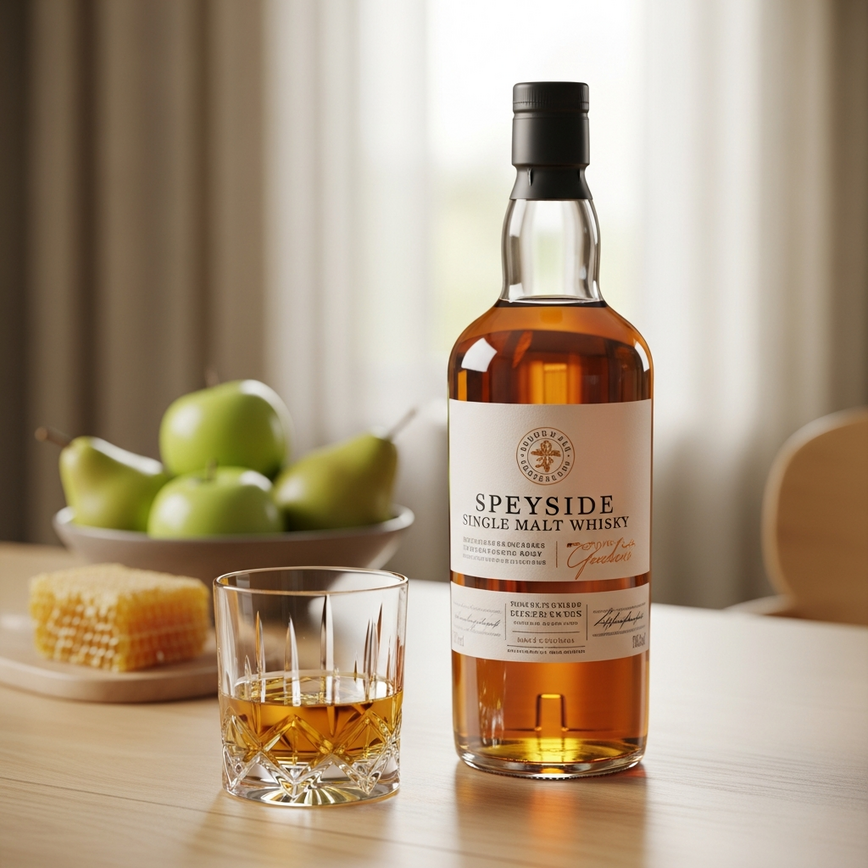
Speyside is a beautiful area nestled in the Spey River valley in northeastern Scotland. It’s famous for being home to the highest concentration of active distilleries in Scotland. The region enjoys a temperate climate and has access to incredibly clean mountain water that flows down from the Cairngorm Mountains. These conditions are just perfect for producing refined, elegant whiskies. Because it’s located inland and protected from harsh coastal weather, the whisky can age in a gentler, more controlled way, which is a big reason why Speyside whiskies are known for their smooth character.
Signature Flavor Profile
Speyside whiskies are famous for being sophisticated yet very approachable, making them a fantastic starting point. They typically feature:
- Primary Notes: You’ll often find fresh fruit flavours like apple, pear, and citrus, along with notes of honey and vanilla. We like to call them the “crowd-pleasers” of the whisky world for a reason!
- Secondary Characteristics: Look for hints of floral elements, a touch of light spice, and some subtle oak.
- Texture: They are generally smooth and well-balanced, often described as having a “silky” feel in the mouth.
- Finish: The finish is usually clean with a pleasant, lingering sweetness and a gentle warmth.
So, what does this all mean for you? If you’re just getting into single malts or you’re buying a gift for someone whose taste you’re not sure about (like your boss or future father-in-law), a Speyside whisky is your safest and best bet. It’s the versatile, can’t-go-wrong choice, la.
Notable Speyside Distilleries and Examples
| Distillery | Flagship Expression | Flavor Profile | Price Range (RM) |
|---|---|---|---|
| Glenfiddich | 12 Year Old | Apple, honey, vanilla | 200-220 |
| The Macallan | 12 Year Sherry Oak | Rich fruit, spice, oak | 370-400 |
| Glenlivet | 12 Year Old | Citrus, honey, smooth | 200-250 |
| Balvenie | 12 Year DoubleWood | Honey, vanilla, sherry | 290-320 |
At our store, we stock a wide selection of Speyside whiskies, all sourced directly from authorized importers to ensure 100% authenticity. These bottles are excellent starting points for newcomers, but they also satisfy experienced collectors who are looking for that refined complexity—those layers of subtle flavour that reveal themselves with every sip.
Islay: Scotland’s Smoke and Peat Capital
Geographic Influence
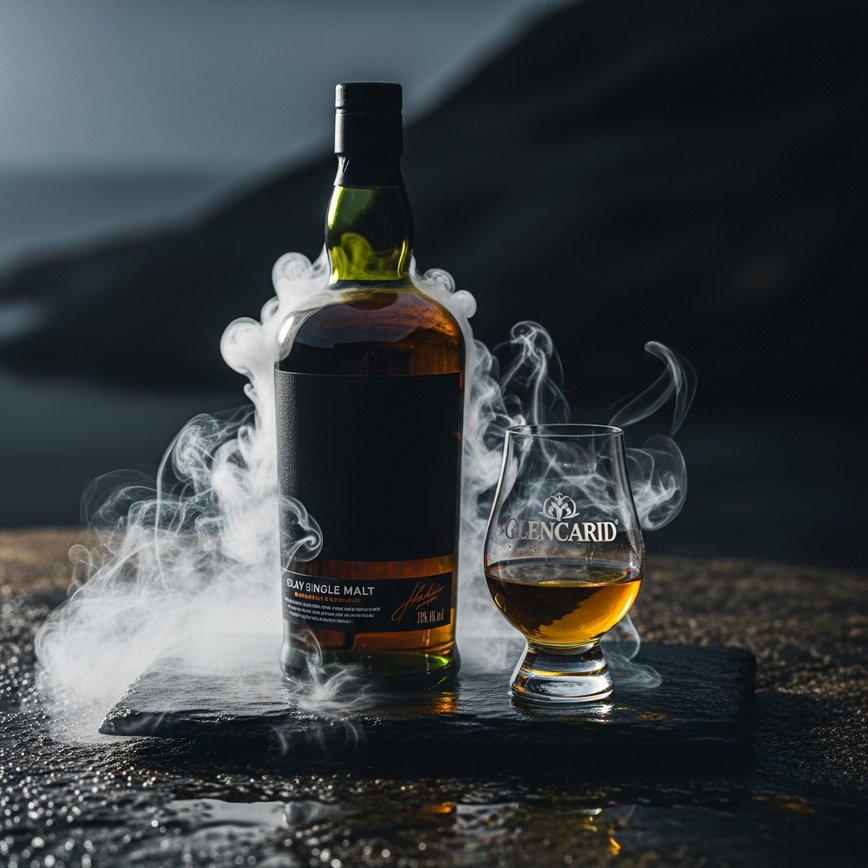
Islay is a small island off Scotland’s west coast that produces some of the most distinctive and, frankly, polarizing whiskies in the world. Its exposed position in the Atlantic Ocean, combined with its abundant peat bogs and maritime climate, creates incredibly intense flavour profiles that are impossible to copy anywhere else. Peat, which is basically decomposed plant matter, is used as fuel to dry the barley. This process infuses the grain with a powerful smoky aroma, much like how smoking meat or fish (‘ikan salai’) gives it that deep, smoky flavour. It’s a taste you won’t forget!
Distinctive Characteristics
When it comes to the *speyside vs islay* debate, Islay whiskies are immediately recognizable for their bold, no-compromise character:
- Dominant Notes: Think peat smoke, medicinal phenols, seaweed, and brine. That “medicinal” note can be a surprise—it’s often described as iodine or even a clean hospital smell. It’s a signature of distilleries like Laphroaig.
- Supporting Elements: You might also find notes of dark fruit, leather, tar, and iodine.
- Intensity: The intensity is high to extreme, often described as “challenging.” This is definitely not a whisky for beginners.
- Finish: Expect a long, smoky, and warming finish with a distinct maritime saltiness.
Islay Distillery Spectrum
But hold on, not all Islay whiskies are smoke bombs. The island actually produces a range of styles, from lightly peated to intensely smoky:
- Heavily Peated: Ardbeg, Lagavulin, and Laphroaig are the “big three” when it comes to powerful smoke.
- Moderately Peated: Bowmore and Caol Ila offer a great balance of smoke and fruit.
- Lightly Peated: Bruichladdich (which makes unpeated expressions) and Bunnahabhain (often fruity and nutty) prove that Islay can do more than just smoke.
In our experience, Malaysian customers either fall in love with or strongly dislike Islay whiskies the first time they try them. There’s very little in-between. We always suggest trying a glass before you commit to a full bottle. That’s why we provide detailed tasting notes and personal guidance for these unique whiskies. If you’re curious, maybe start with a Bowmore 12 to see if the smoky style is your thing.
Highland Scotch: Scotland’s Most Diverse Region
Regional Scope and Sub-Regions
The Highlands is Scotland’s largest whisky region by far, covering everything north of an imaginary line from Greenock to Dundee (but not including Speyside). This huge area has multiple sub-regions, each producing its own distinct style of *Highland scotch whisky*, influenced by the local geography and distillery traditions. Because the region is so massive and varied, seeing “Highland” on a label is less specific than “Speyside” or “Islay.” You can think of it like saying “Malaysian food”—it could mean anything from nasi lemak to laksa Sarawak, which are all very different!
Highland Sub-Regional Styles
- Northern Highlands: Tends to be full-bodied, complex, and often aged in sherry casks (think Glenmorangie, Dalmore).
- Southern Highlands: Generally lighter and more approachable (like Aberfeldy, Deanston).
- Eastern Highlands: Known for being fruity, elegant, and well-balanced (Glen Garioch, Ardmore).
- Western Highlands: Often rich, oily, and sometimes with a hint of peat (Oban, Ben Nevis).
You don’t need to memorise all of these, but it’s good to know that two Highland whiskies can taste completely different from one another.
Highland Flavor Diversity
Highland whiskies are tough to put in a single box, offering a huge variety:
- Range: You can find everything from light and grassy to rich and sherried.
- Common Notes: Heather honey, dried fruit, and a gentle spice are common threads.
- Texture: The body varies from light to full.
- Finish: The finish is generally warming with a moderate length.
This incredible diversity makes the Highlands a fantastic region to explore once you’ve got a basic idea of what you like.
Regional Comparison: Choosing Your Perfect Style
Figuring out your flavour preferences can really help you narrow down your choices. Here’s our practical buying guide based on different taste profiles:
| If You Enjoy… | Recommended Region | Specific Recommendations |
|---|---|---|
| Smooth, approachable flavors | Speyside | Glenfiddich 12, Glenlivet 12 |
| Intense, smoky character | Islay | Ardbeg 10, Lagavulin 16 |
| Complex, varied expressions | Highlands | Dalmore 12, Glenmorangie 10 |
| Sweet, fruity notes | Speyside/Southern Highlands | The Macallan 12, Aberfeldy 12 |
| Bold, challenging flavors | Islay/Northern Highlands | Laphroaig 10, Talisker 10 |
Here at Mr. Chow Liquor Store, we have direct relationships with all the authorized importers. This ensures that our whisky collection features authentic bottles from all the major Scottish regions. We also have very strict quality assurance policies. What this means for you is total peace of mind—you never have to worry about counterfeit bottles, which can be a real problem in the Malaysian market. With us, you get the real deal, every single time.
Production Methods That Shape Regional Character
Water Sources and Quality
The water in each region has a huge impact on the whisky’s character. Speyside’s soft Highland water helps create that elegant style, while Islay’s mineral-rich water adds another layer of complexity to its already robust flavours. Highland distilleries get their water from all sorts of sources, which is a big reason for the region’s diversity. It’s a bit like how the water in different Malaysian states is said to change the taste of local coffee or tea—the water source is a fundamental ingredient that shapes the final product.
Malting and Peat Usage
The use of peat is what defines a lot of Scotland’s whisky character. The process involves burning peat under a mesh floor where malted barley is laid out to dry. The thick, aromatic smoke rises and infuses the grain, locking in that smoky flavour before it even starts fermenting.
- Speyside: They use very little or no peat at all, focusing instead on the clean flavours from the malt itself.
- Islay: Heavy peat usage is the name of the game here, creating intense smoke levels measured in Phenol Parts Per Million (PPM).
- Highlands: Peat usage here is variable. It really depends on the sub-region and the distillery’s philosophy; some use a little, while others use none.
Maturation Climate Effects
Scotland’s climate also plays a big role in how the whisky matures and develops its flavour. Coastal regions like Islay get a maritime influence that adds a touch of saltiness. In other words, the salty sea air actually gets into the porous oak casks over many years, adding a subtle but distinct briny note to the whisky. Inland areas like Speyside have more stable conditions, which allow for a gentler, more consistent aging process without these coastal notes.
Building Your Regional Whisky Collection
Beginner’s Regional Journey
- Start with Speyside: This is the best place to learn the fundamentals. You’ll learn to appreciate notes of fruit, honey, and oak in an approachable, easy-to-drink style. It’s a great way to build your “flavour vocabulary.”
- Explore Southern Highlands: Next, move on to something with a bit more complexity and a richer body, but without the challenge of heavy smoke.
- Try Islay: Now it’s time to challenge your palate with some bold flavours. We suggest starting with a moderately peated Bowmore before you dive headfirst into a heavily peated Ardbeg or Laphroaig.
- Discover Northern Highlands: Finally, appreciate the true diversity of the regions with richer, often sherry-cask-influenced whiskies that offer a completely different kind of complexity.
Advanced Collecting Strategy
For more experienced collectors, it’s a great idea to explore multiple whiskies within each region. This helps you understand the difference between a distillery’s unique “house style” and the broader regional characteristics. We recommend comparing different age statements from the same distillery, as well as comparing them to bottles from other distilleries in the same region. This really helps you pinpoint what makes each distillery’s “recipe” unique versus the influence of its location.
Why Understanding Scotch Regions Matters for Malaysian Buyers
Knowing about the different regions transforms whisky shopping from a guessing game into an informed decision. When you understand that Islay makes intensely smoky whiskies while Speyside creates elegant, approachable ones, you can avoid making expensive mistakes and find styles that you’ll genuinely love. For example, buying a RM400 bottle of Laphroaig (from Islay) as a Chinese New Year gift for an uncle who loves smooth brandy would probably be a waste of money—he likely wouldn’t enjoy that intense, smoky flavour at all.
Every single bottle in our collection is 100% genuine and authentic. We offer same-day delivery in the Klang Valley and standard delivery throughout Peninsular Malaysia. Our expertise is here to help Malaysian whisky lovers build collections that truly reflect their tastes, allowing them to explore Scotland’s diverse regional offerings with confidence. This confidence means you can not only pick the right bottle but also share its story, explaining why you chose that specific region—turning a simple gift into a thoughtful and impressive gesture.
© Mr. Chow Liquor Store. All pricing and availability are subject to change. For the latest stock and offers, contact us via WhatsApp: +60169562840.
Frequently Asked Questions
What is the main difference between Speyside and Islay whisky?
The main difference is their core flavour profile: Speyside whiskies are typically smooth, fruity, and sweet, while Islay whiskies are intensely smoky, peated, and maritime. Speyside whiskies like Glenfiddich 12 offer approachable notes of apple and honey, making them ideal for beginners. In contrast, Islay whiskies like Ardbeg 10 deliver powerful flavours of campfire smoke and sea salt. In our experience, customers looking for a reliable gift choose Speyside, while those seeking a bold, memorable experience prefer Islay.
How do I choose the right Scotch region for a beginner?
For beginners, the best Scotch region to start with is Speyside due to its smooth, approachable, and non-smoky flavour profile. Speyside whiskies are known for their elegant notes of fruit, honey, and vanilla, which makes them very easy to enjoy without an acquired taste for peat. We recommend starting with a classic like Glenfiddich 12 Year Old, which typically costs between RM200-RM220 at our store. At Mr. Chow, over 80% of first-time single malt buyers who start with Speyside have a positive experience.
What does ‘peated’ whisky mean?
A ‘peated’ whisky is a Scotch that has a distinct smoky flavour, which comes from using peat (decomposed plant matter) as fuel to dry the malted barley. This process infuses the grain with smoky compounds called phenols, similar to how smoking fish (‘ikan salai’) imparts a deep, smoky taste. The intensity is measured in Phenol Parts Per Million (PPM); a heavily peated whisky like Ardbeg can have over 50 PPM. We find that peated whiskies are polarizing; customers either love the bold notes or find them too intense.
Are all whiskies from the Highlands the same?
No, whiskies from the Highlands are incredibly diverse and can taste completely different from one another. As Scotland’s largest whisky region, it has multiple sub-regions with unique styles, ranging from light and fruity to rich, complex, and even lightly peated. For example, a Glenmorangie 10 from the Northern Highlands has delicate citrus notes, while an Oban 14 from the Western Highlands is richer with a hint of sea salt and smoke. We often tell customers to think of the “Highland” label as a sign of variety to explore.
What are Scotch whisky regions?
Scotch whisky regions are the five legally defined geographical areas in Scotland—Speyside, Islay, Highlands, Lowlands, and Campbeltown—each known for producing a distinct style of whisky. Think of them like food regions in Malaysia; a whisky from Speyside will taste fruity and elegant, completely different from an intensely smoky one from Islay. The Speyside region alone has the highest concentration of distilleries, with over 50 producing whisky. At Mr. Chow, we use these regions to help customers quickly find a flavour profile they’ll enjoy.
How can I be sure the Scotch whisky I buy online in Malaysia is authentic?
To guarantee authenticity, always purchase from a trusted retailer like Mr. Chow that sources directly from official, authorized importers in Malaysia. This direct relationship ensures every bottle is 100% genuine and has passed all quality assurance, protecting you from counterfeit products. We built our reputation on a strict zero-tolerance policy for fakes, giving our customers complete peace of mind with every order.


![Buchanan's 12 Years Deluxe Blended Scotch [750ML]](https://mrchowliquorstore.com/wp-content/uploads/2026/04/Buchanans-12-Years.jpg)


![Bunnahabhain 15 Years Turas Math No.1 [700ML]](https://mrchowliquorstore.com/wp-content/uploads/2026/04/Bunnahabhain-15-Years.jpg)
![VAT 69 Blended Scotch Whisky [1000ML]](https://mrchowliquorstore.com/wp-content/uploads/2026/04/VAT-69-Blended-Scotch-Whisky.jpg)