
London Dry vs Botanical Gin: Complete Style Comparison & Flavor Guide
The main difference between London Dry and Botanical gin lies in their production methods and flavor intensity. London Dry gin must be distilled without any artificial flavors or colors added after distillation, creating a clean, juniper-forward profile. Think of it as the classic, perfectly tailored black suit of the gin world—timeless, reliable, and always in style. While Botanical gin allows post-distillation additions like natural extracts and essences, resulting in more complex and varied flavor expressions. This is more like a modern, designer outfit, showcasing creativity and unique character. In our experience serving Malaysian gin enthusiasts, approximately 60% prefer the crisp, traditional character of London Dry varieties, likely because its sharp, refreshing taste is perfect for our warm climate, while 40% gravitate toward the innovative flavor profiles found in modern botanical expressions, enjoying the adventure of discovering new and unique tastes.
What Makes London Dry Gin Unique
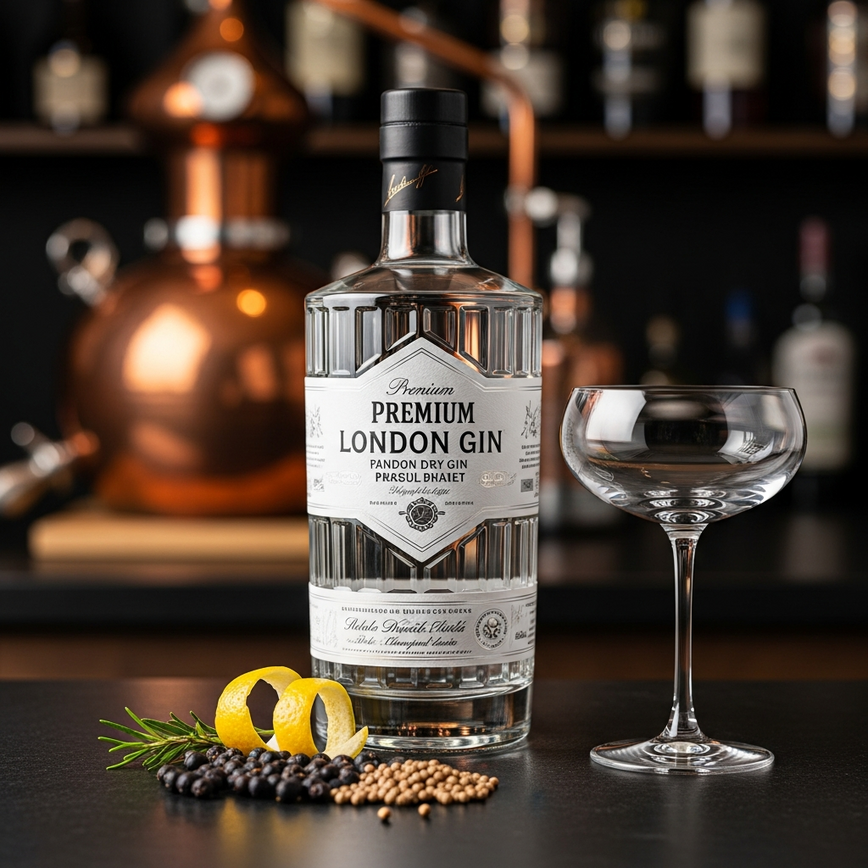
- Juniper berries: The heart and soul of gin, providing the core piney, resinous flavor.
- Coriander seeds: Adds a touch of citrusy spice and warmth.
- Angelica root: An essential binding agent that helps marry the other flavors, adding an earthy, dry character.
- Orris root: Helps to fix the other aromas, ensuring the gin’s scent lasts, while adding a floral note.
- Citrus peels: Typically lemon or orange, providing bright, zesty top notes.
The distillation process typically involves vapor infusion or direct maceration methods. During vapor infusion, steam passes through botanicals suspended in copper baskets,
extracting essential oils and aromatic compounds. This is a gentler method, like steaming vegetables, which results in a lighter, more delicate flavor profile.
Direct maceration involves steeping botanicals directly in the base spirit before distillation, similar to brewing a strong tea. This extracts deeper, more robust flavors.
Both methods contribute to the characteristic clean, dry finish that defines quality London Dry gin.
Understanding Botanical Gin Characteristics
- Japanese yuzu
- Mediterranean lavender
- African baobab
- South American pink pepper
The production process may involve multiple distillation runs, each focusing on specific botanical groups to optimize flavor extraction. Some distillers use cold compounding techniques, where certain delicate botanicals are added as essences or extracts after distillation to preserve volatile aromatic compounds. Think of it like adding fresh herbs to a dish right at the end of cooking—it keeps their flavor bright and vibrant instead of cooking it away.
At Mr. Chow, we’ve observed growing interest in botanical gins among Malaysian consumers who appreciate complex flavor profiles and artisanal craftsmanship. Our customers particularly favor expressions that balance traditional gin character with innovative botanical combinations that complement Asian cuisine and tropical climate preferences. A gin with yuzu or lemongrass notes, for example, just feels right when you’re enjoying it on a warm Malaysian evening, lah.
Flavor Profile Comparison
| Gin Style | Primary Characteristics | Flavor Intensity | Best For | Price Range (RM) |
|---|---|---|---|---|
| London Dry | Juniper-forward, clean, crisp | Medium to High | Classic cocktails, G&T | 80-400 |
| Botanical | Complex, varied, innovative | Variable | Creative cocktails, sipping | 120-600 |
| Old Tom | Slightly sweet, rounded | Medium | Vintage cocktails | 150-350 |
| Navy Strength | Intense, bold, high ABV | Very High | Strong cocktails | 180-450 |
Botanical gins offer greater variation in flavor intensity and character development. Some expressions emphasize floral elegance with rose petals, elderflower, or chamomile,
while others focus on spice complexity using cardamom, black pepper, or long pepper. This is more like an impressionist painting, where a blend of different notes comes together to create a unique overall feeling. Fruit-forward botanical gins incorporate berries, citrus varieties, or tropical fruits that create distinctive aromatic signatures.
The mouthfeel also differs between styles. London Dry gin typically delivers a consistent, medium-bodied texture with alcohol warmth balanced by botanical oils, feeling clean and crisp on the tongue. Botanical gins may present varying textures depending on their ingredient composition, from light and ethereal to rich and viscous, particularly when incorporating elements like honey, glycerin-rich fruits, or specialized distillation techniques. Some can feel almost silky or creamy.
Production Method Differences
The process begins with selecting high-quality neutral grain spirit, typically produced from wheat, corn, or other cereal grains that provide a clean foundation for botanical expression.Botanical selection for London Dry gin follows time-tested combinations that highlight juniper prominence while supporting the overall flavor profile. Distillers typically use a single distillation run for the entire botanical blend, requiring precise timing and temperature control to extract optimal flavors without introducing unwanted bitter or harsh elements. The copper pot stills used in production contribute to flavor refinement by removing sulfur compounds and other impurities. Here’s what that means for you: the copper itself acts like a natural filter, reacting with the spirit to strip away harsh notes, which is a key reason why high-quality gin is so smooth.Botanical gin production allows for greater experimentation and innovation in both ingredient selection and processing techniques. The philosophy here is about creating something new, exciting, and different. Many craft distillers employ multiple distillation runs, separating botanicals into groups based on their extraction requirements.
Delicate floral elements might be distilled separately at lower temperatures, while robust spices undergo traditional high-temperature distillation for maximum extraction.Some botanical gin producers utilize modern techniques such as vacuum distillation, which operates at lower temperatures to preserve volatile aromatic compounds that might be lost in traditional distillation. By lowering the pressure, the spirit can “boil” at a much cooler temperature. This means delicate flavors from ingredients like fresh cucumber or rose petals don’t get ‘cooked’ and destroyed, resulting in a gin that tastes incredibly fresh and vibrant. Cold compounding, where certain botanicals are added as natural extracts or essences after distillation, allows for precise flavor control and the inclusion of heat-sensitive ingredients.
How to Choose Between London Dry and Botanical Gin
Popular Brands and Expressions in Malaysia
Cocktail Applications and Mixing Guidelines
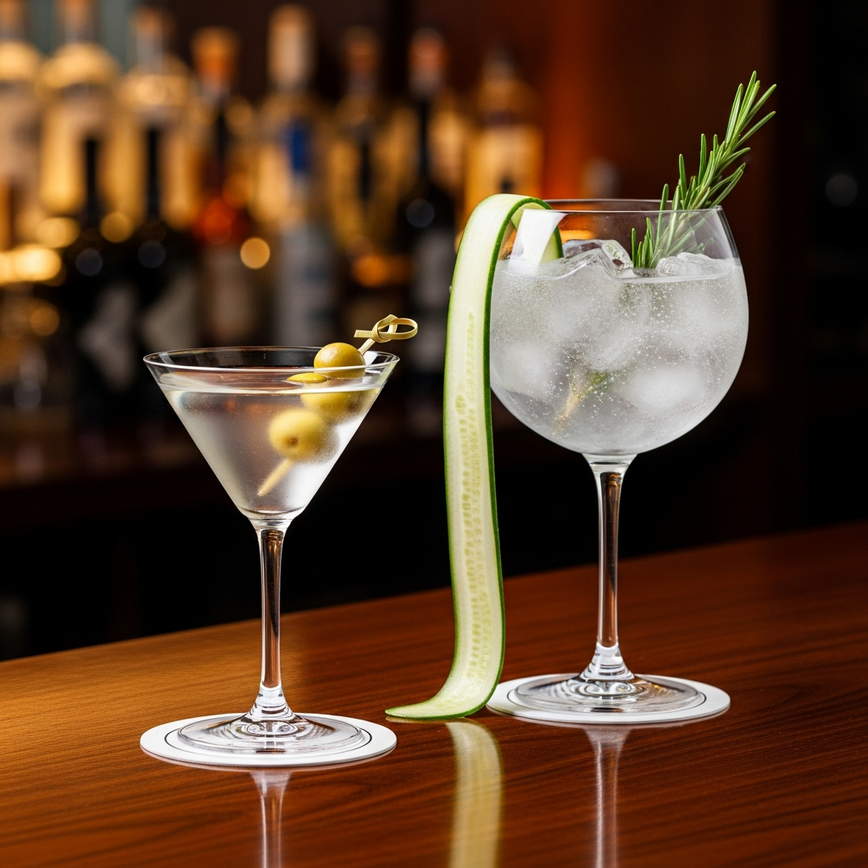
For martini preparation, London Dry gin provides the traditional flavor foundation that cocktail purists prefer. The style’s consistent character ensures reproducible results, while its balanced botanical profile harmonizes with dry vermouth without creating competing flavor elements. We recommend a 5:1 or 6:1 gin-to-vermouth ratio for optimal balance with premium London Dry expressions. This ratio ensures the gin’s character is the star, with the vermouth adding just a hint of aromatic complexity.
Botanical gins often require more careful mixer selection to preserve their unique character profiles. Neutral mixers such as soda water, premium tonic water, or simple garnishes allow complex botanical flavors to emerge without interference. Creative cocktail applications might incorporate complementary ingredients that enhance specific botanical elements within the gin’s profile. For example, if your gin has notes of grapefruit, a grapefruit peel garnish will make those flavors pop.
The Negroni cocktail works well with both styles but produces different results depending on gin selection. London Dry gin creates the classic bitter-sweet balance that defines traditional Negroni character, while botanical gin can add unexpected flavor dimensions that create modern interpretations of this iconic cocktail. For instance, a spicy botanical gin can add a warm, complex kick that completely transforms the drink.
Your Guide to Premium Gin Selection
© Mr. Chow Liquor Store. All pricing and availability are subject to change. For the latest stock and offers, contact us via WhatsApp: +60169562840.
Frequently Asked Questions
What is the main difference between London Dry and Botanical gin?
The main difference is that London Dry gin cannot have any flavors added after distillation, while Botanical gin can. This strict rule gives London Dry its classic, juniper-forward taste, whereas Botanical gins offer a wider, more creative range of flavors from post-distillation infusions. At Mr. Chow, we find about 60% of our Malaysian customers prefer the crispness of a London Dry for the hot climate, while 40% enjoy exploring the unique profiles of Botanical gins.
What makes a gin a “London Dry” gin?
A gin is classified as “London Dry” if it is distilled to at least 70% ABV with all-natural botanicals and has no artificial flavors or colors added after distillation. Despite its name, it can be produced anywhere in the world and must contain less than 0.1 grams of sugar per liter, which creates its signature crisp finish. In our experience, brands like Tanqueray and Bombay Sapphire are popular choices for their consistent, high-quality London Dry character.
How do I choose the best gin for a classic Gin & Tonic?
For a classic, crisp Gin & Tonic, a London Dry gin is the best choice due to its strong juniper-forward profile that perfectly complements tonic water. This style provides the traditional, refreshing taste that defines a classic G&T. We recommend a quality London Dry like Tanqueray, typically priced between RM150 and RM250 in our store. A simple wedge of lime is all you need to create the perfect serve with this gin style.
Why isn’t Hendrick’s Gin considered a London Dry gin?
Hendrick’s Gin is not a London Dry because its signature flavors of cucumber and rose are infused after the final distillation process. A key rule for London Dry gin is that no flavorings can be added post-distillation. This post-distillation infusion places Hendrick’s firmly in the modern “Botanical” or “Distilled Gin” category. This is one of the most common questions our customers ask about our range of over 50 different gins.
Is it safe to order gin online in Malaysia?
Yes, it is safe to order gin online in Malaysia provided you buy from a reputable retailer that sources directly from authorized importers. At Mr. Chow, all our gin selections are 100% genuine and authentic, ensuring you receive a high-quality, authentic product every time. We recommend being cautious of prices that seem too low, as this can be a sign of counterfeit products.
How fast can I get gin delivered in the Klang Valley?
Gin delivery in the Klang Valley can be as fast as 2-4 hours with our same-day service. At Mr. Chow, we offer this express delivery for our entire portfolio of over 50 premium gins, ensuring you can get a bottle for a last-minute celebration or gift. For customers outside the Klang Valley, we provide next-day delivery service across Peninsular Malaysia.

![VAT 69 Blended Scotch Whisky [1000ML]](https://mrchowliquorstore.com/wp-content/uploads/2026/04/VAT-69-Blended-Scotch-Whisky.jpg)


![Malfy Rose Gin [700ML]](https://mrchowliquorstore.com/wp-content/uploads/2026/04/Malfy-Rose-Gin.jpg)
![Malfy Limone Gin [700ML]](https://mrchowliquorstore.com/wp-content/uploads/2026/04/Malfy-Limone-Gin.jpg)