
Japanese Whisky vs Scotch: Complete Comparison for Malaysian Drinkers
Japanese Whisky vs Scotch: A Guide for Malaysian Enthusiasts
So, what’s the real difference between Japanese whisky and Scotch? At first glance, they seem similar, but it all comes down to their production philosophy, flavour profile, and where they get their ingredients. While both use pretty much the same distillation methods, Japanese whisky is all about precision, subtlety, and creating perfect harmony. They even use unique local ingredients like Japanese oak (Mizunara). Scotch, on the other hand, is more about tradition and expressing the character of its specific region. Think of it this way: Scotch tells you a powerful story about where it comes from, while Japanese whisky aims to tell a flawless, perfectly balanced story using many different elements. The main differences you’ll taste come from the climate, the type of wood used for aging, and how they blend—Japanese distillers often create every single component they need in-house, whereas Scotch producers frequently trade spirits with each other.
Understanding this Japanese whisky vs Scotch comparison is super helpful for Malaysian whisky lovers who want to try something new. Here at Mr. Chow Liquor Store, we’ve definitely seen a growing curiosity for Japanese whisky. In fact, demand have shot up by multiple folds in the past year alone as more Malaysians discover just how refined these whiskies can be. It seems like a lot of people are looking for an alternative that’s maybe less smoky or a bit more elegant for those special occasions.
Origins and History: Two Different Whisky Philosophies
Scottish Heritage: The Foundation of World Whisky
Scotch whisky isn’t just a drink; it’s the result of over 500 years of distilling tradition, with the earliest records going all the way back to 1494. It’s basically a piece of Scottish history in a bottle, passed down through generations. Scotland’s five famous regions—Highlands, Lowlands, Speyside, Islay, and Campbeltown—each produce whiskies with unique characteristics that are shaped by the local climate, water, and whether they use peat. For instance, the windy island of Islay is known for its peat bogs, which are used to dry barley and give the whisky that powerful smoky, medicinal flavour that’s impossible to miss. The whole industry grew from centuries of clan traditions, and many distilleries have been operating on the same spot for over 200 years, perfecting their signature style.
Japanese Precision: Modern Craft Meets Ancient Discipline
The story of Japanese whisky kicked off in 1923 after Masataka Taketsuru came back from Scotland, bringing with him the secrets of distilling and setting up Japan’s first distillery. But the Japanese didn’t just copy the Scots. Instead, they adapted the methods to their local environment and applied the principles of Japanese craftsmanship, known as *monozukuri*. Monozukuri is a philosophy that means “the art, science, and craft of making things,” and it’s all about a relentless chase for perfection and constant improvement. Just think about the incredible precision of a Toyota car or a Seiko watch—that’s the exact same dedication they put into making whisky. This approach leads to whiskies that are often more subtle and nuanced compared to their sometimes more rugged Scottish cousins.
Production Methods: Shared Techniques, Different Applications
Distillation Similarities
At their core, both Japanese and Scotch whiskies are built on the same fundamental processes:
- Malting barley (though Japanese distillers sometimes import malt from Scotland to get specific flavours)
- Mashing with hot water to get those fermentable sugars out
- Fermentation with yeast to produce alcohol
- Double distillation in copper pot stills (this is the most common way, but there are exceptions)
- Aging in oak barrels for a minimum of three years for Scotch, with Japan generally following similar standards
Key Production Differences
Climate Impact: Japan has four very distinct seasons, which means bigger temperature swings compared to Scotland’s consistently cool and damp weather. This difference actually speeds up the maturation process. Here’s a simple way to think about it: the oak barrel acts like a lung. During Japan’s hot summers, the wood expands and soaks the whisky deep into its pores. In the cold winters, it shrinks, pushing the spirit, now full of flavour, back out. This more intense “breathing” cycle means Japanese whisky can develop complex flavours in a shorter amount of time.
Wood Selection: While Scotch mainly relies on American oak (which gives notes of vanilla and caramel) and European sherry casks (for dried fruit and spice flavours), Japanese distillers have a secret weapon: Mizunara oak. This rare, local Japanese wood is a real headache to work with, but it’s worth it. It gives the whisky unique and highly-prized notes of sandalwood, coconut, and incense. What does this mean for you? You get to taste a flavour profile that is distinctly Asian and simply cannot be copied anywhere else in the world. Shiok one!
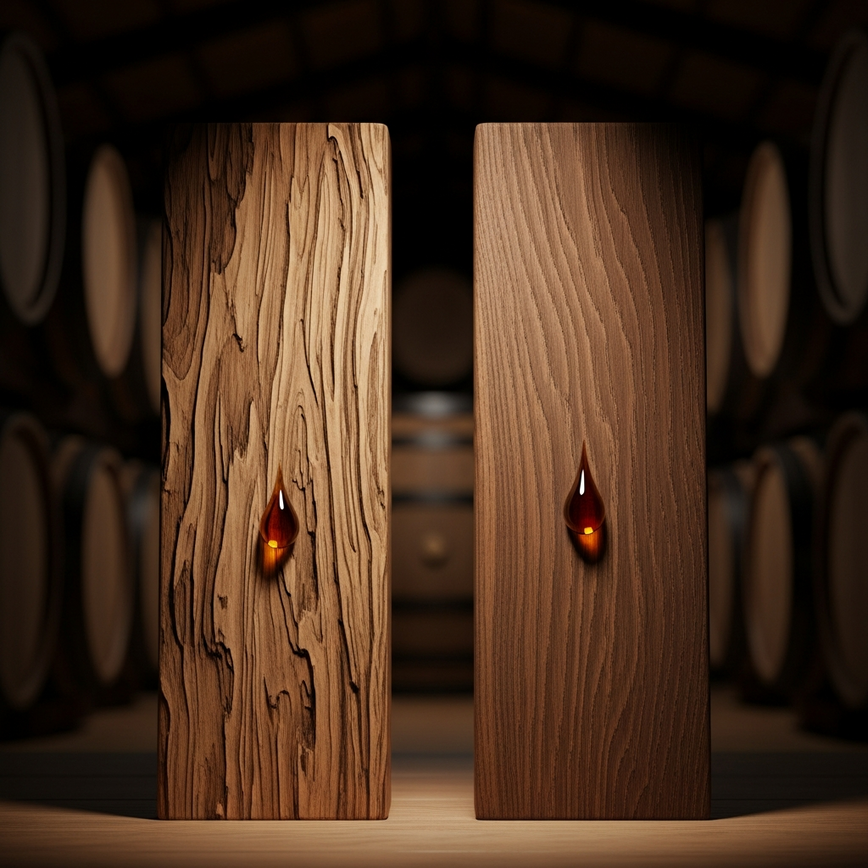
Water Sources: Scottish distilleries are proud of their water, whether it’s the soft water from the Highlands or the mineral-rich sources in the Lowlands, which affects the whisky’s body. Japanese producers, however, often use incredibly pure, soft mountain water, sometimes from sacred locations. This is a big reason why many Japanese whiskies have that signature clean, pristine, and smooth character. The result is a spirit that feels exceptionally pure on your tongue.
Flavor Profiles: Contrasting Approaches to Complexity
Scotch Whisky Characteristics
| Region | Primary Flavours | Notable Examples | Typical ABV |
|---|---|---|---|
| Speyside | Apple, honey, floral, light | Glenfiddich, Macallan | 40-43% |
| Highlands | Fruity, spicy, diverse | Glenlivet, Oban | 40-46% |
| Islay | Peaty, smoky, medicinal | Ardbeg, Lagavulin | 40-57% |
Scotch whiskies are all about expressing bold, unmistakable regional flavours. Islay malts, for example, hit you with intense peat smoke—a flavour that comes from drying barley over a peat fire. Many Malaysians describe it as tasting “like hospital medicine” or “burnt tyres,” but in a good way, you know? It’s definitely a love-it-or-hate-it kind of profile. Speyside, on the other hand, is the complete opposite, offering elegant fruit and floral notes, which makes it a much safer choice when you’re buying a gift. Highland whiskies are the most varied, with styles ranging from light and grassy to rich and full of sherry notes.
Japanese Whisky Characteristics
When it comes to Japanese whisky characteristics, the keywords are balance, subtlety, and layered complexity. The goal is to create a perfect harmony where no single flavour overpowers the others. Common flavour profiles you’ll find include:
- Delicate Fruit: Think green apple, pear, and citrus notes, but often more restrained and elegant than what you’d find in a Scotch.
- Floral Elements: You might pick up hints of cherry blossom (sakura), jasmine, and other subtle botanical notes that add a real touch of sophistication.
- Unique Spicing: That special Mizunara oak contributes those signature sandalwood, coconut, and Oriental spice notes—imagine the gentle scent inside an old temple.
- Clean Finish: They generally have cleaner, more refined finishes with less of that aggressive alcohol burn. This makes them incredibly smooth and easy to drink, even if you’re new to whisky.
In our experience here at the store, Japanese whiskies really appeal to customers who find Scotch a bit too intense or peaty. It’s a fantastic “gateway” for anyone looking to get into the world of premium spirits.
Aging and Maturation: Climate Makes the Difference
Scottish Maturation
Scotland’s cool and stable climate allows for a very steady, gradual maturation process. The maritime air keeps temperature changes gentle, letting the whiskies develop deep, mellow, and complex flavours over many decades. You could call it a “low and slow” cooking method, where patience truly pays off. Many classic Scotch expressions are at their best between 12-25 years of age, and some can keep getting better for 30+ years.
Japanese Maturation
In contrast, Japan’s dramatic seasonal temperature swings—from hot, humid summers to cold, dry winters—really accelerate the interaction between the whisky and the barrel. This leads to rapid flavour development, which means Japanese whiskies can often achieve a level of complexity you’d normally associate with a much older Scotch. For you, the drinker, this means a 12-year-old Japanese whisky might have maturation characteristics similar to an 18-year-old Scotch. This accelerated aging helps explain why Japanese whiskies can be so flavourful without needing decades in a barrel, and it’s also one of the reasons for their higher price tag.
Price Comparison and Value Considerations
Market Positioning
| Category | Scotch Price Range (RM) | Japanese Price Range (RM) | Value Assessment |
|---|---|---|---|
| Entry Level | 150-300 | 200-400 | Scotch offers better entry value |
| Premium | 300-800 | 400-1,200 | Comparable quality, Japanese premium pricing |
| Ultra-Premium | 800-3,000+ | 1,200-5,000+ | Japanese commands significant premiums |
Generally, you can expect Japanese whisky to cost about 25-50% more than a comparable bottle of Scotch. This isn’t just clever marketing; there are real reasons for it. These include smaller production volumes, insane international demand after they started winning major awards, and the high cost and rarity of top-notch ingredients like Mizunara oak. For enthusiasts looking for a truly unique experience, however, the distinctive flavour profiles and meticulous craftsmanship often justify the price difference. When you invest in a premium Japanese whisky, you’re paying for artistry and rarity, not just an age statement.
Availability and Authenticity in Malaysia
At Mr. Chow Liquor Store, all our Japanese and Scotch whiskies are 100% genuine and authentic, all sourced directly from authorized importers. Our huge catalogue features over 200 Scotch expressions and 50+ Japanese whiskies, and we offer same-day delivery across the Klang Valley.
Authentication Importance: Because it’s so valuable, the Japanese whisky market has a serious problem with fakes all over the world. However, we have strong relationships with our network of authorized importers. What does this mean for you? It means you can shop with confidence, knowing you’re getting the real deal with not some cheap liquor in a fancy-looking fake bottle.
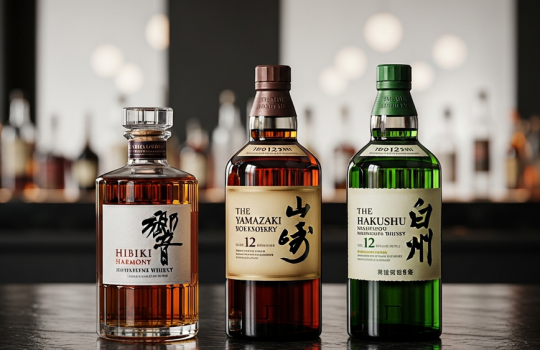
Our Japanese whisky and gin collection is available online: https://mrchowliquorstore.com/japanese-whisky-gin. We stock verified authentic bottles from famous distilleries like Yamazaki, Hakushu, and Nikka, as well as craft producers. This ensures our Malaysian customers get genuine products with proper provenance—meaning we can trace its entire journey from the distillery right to our shelves.
Food Pairing and Serving Suggestions
Scotch Whisky Pairings
- Peated Islay: The powerful smoke is amazing at cutting through rich foods. Give it a try with dark chocolate, smoked salmon, or even strong cheeses like blue cheese.
- Speyside: Its fruity and floral notes go beautifully with fresh fruit, light seafood like grilled prawns, and delicate pastries.
- Highland: This is a really versatile style that can stand up to red meat, hearty stews like beef rendang, and rich desserts.
Japanese Whisky Pairings
The balanced, clean character of Japanese whiskies makes them incredibly friendly with food:
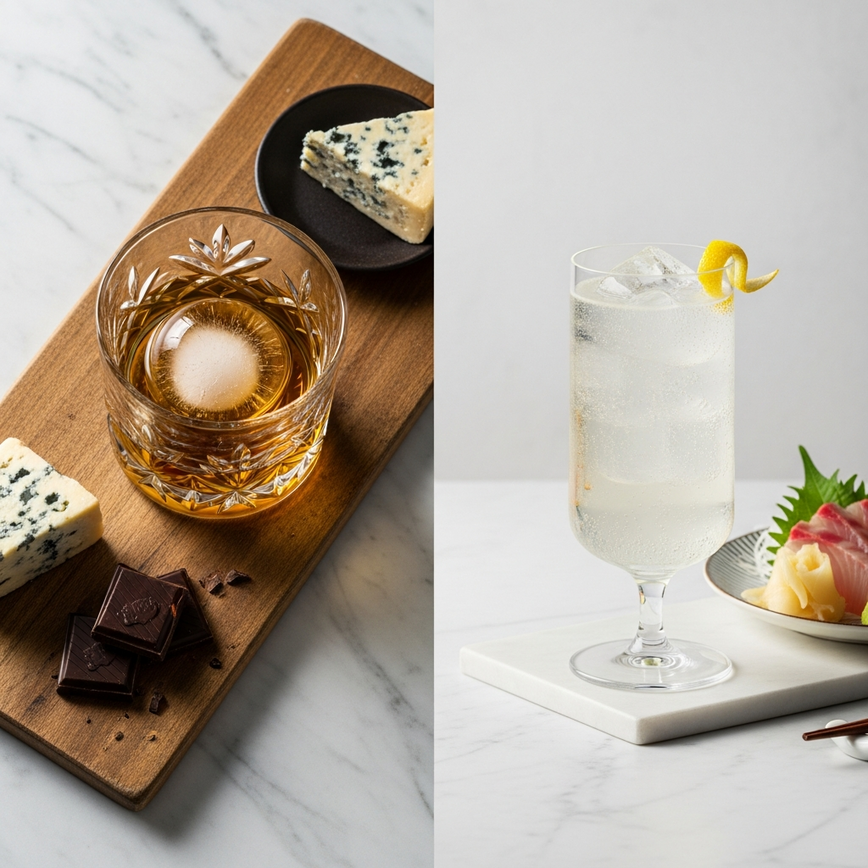
- Sushi and Sashimi: The clean profiles won’t overpower the delicate flavours of the fish, which is why it’s a classic pairing in Japan.
- Grilled Yakitori: The subtle smokiness in some Japanese whiskies is a perfect match for charred chicken or beef skewers.
- Dark Chocolate: The unique spice from the Mizunara oak creates some really interesting flavour combinations with high-quality dark chocolate.
- Malaysian Cuisine: You might be surprised how well it goes with lighter Asian dishes. A Japanese highball (whisky and soda water) is fantastic with *char kway teow* or *Hainanese chicken rice* because its crispness cuts right through the oiliness.
Making Your Choice: Which Style Suits Malaysian Palates?
Choose Scotch Whisky If You Prefer:
- Bold, in-your-face regional flavours (like a powerful Islay smoke bomb!)
- A traditional whisky experience that’s steeped in history
- Better value for money at the entry-level for everyday sipping
- A huge variety of choices within different budget ranges (so many distilleries to discover!)
- Stronger, more assertive profiles that really make a statement
Choose Japanese Whisky If You Prefer:
- Subtle, refined complexity where every sip reveals something new
- A clean, harmonious balance of flavours that is exceptionally smooth
- Those unique Mizunara oak notes that you just can’t find anywhere else
- A premium, craft whisky experience that feels special and luxurious
- A gentler, more approachable way to get into the world of whisky
From our experience with Malaysian customers, newcomers to whisky often lean towards Japanese expressions because they’re so easy to drink. Meanwhile, seasoned whisky drinkers have learned to appreciate both styles for different moods and occasions. There’s no “better” choice, only what’s better for you right now.
Why This Matters for Malaysian Whisky Enthusiasts
Both Japanese and Scotch whiskies offer incredible journeys into the world of premium spirits. Each has its own strengths, depending on your taste and budget. Understanding these differences helps you make smarter buying decisions—whether you’re getting a gift for your boss or picking a bottle for a weekend get-together—and helps you build a deeper appreciation for the art of whisky making.
Here at Mr. Chow Liquor Store, we suggest starting with a classic from each country to really taste the difference. Maybe try a Speyside Scotch like Glenfiddich 12 next to a foundational Japanese whisky like Nikka Coffey Grain. It’s a fun tasting experience you can even do with friends. Our team is always ready to give you personalized recommendations based on your tastes, and we can arrange same-day delivery throughout the Klang Valley to get you started on this delicious comparison journey.
So, whether you go for the bold traditions of Scotland or the refined precision of Japan, both paths will lead you to a greater appreciation for the incredible diversity and craftsmanship of whisky. At the end of the day, the best whisky is always the one you enjoy drinking the most.
Frequently Asked Questions
What is the main difference between Japanese whisky and Scotch?
The main difference lies in their production philosophy: Japanese whisky focuses on achieving perfect harmony and balance, while Scotch expresses the bold, traditional character of its specific region. Japanese distillers often use rare Mizunara oak for unique sandalwood notes, whereas Scotch frequently uses peat for a smoky flavour. In our experience, this makes Japanese whisky exceptionally smooth, while Scotch offers a wider range of powerful, distinct profiles from its five famous regions.
Why is Japanese whisky more expensive than Scotch in Malaysia?
Japanese whisky is typically 25-50% more expensive than Scotch due to smaller production volumes, extremely high global demand, and the use of rare, costly materials like Mizunara oak. Unlike the large-scale Scotch industry with over 130 distilleries, Japan has far fewer, making their supply limited. At Mr. Chow, while an entry-level Scotch might start at RM150, a comparable Japanese whisky often begins around RM250, reflecting its craft-focused artistry and rarity.
Which is better for a beginner, Japanese whisky or Scotch?
For beginners, Japanese whisky is often the better choice due to its exceptionally smooth, clean, and balanced flavour profile with less alcoholic burn. Its subtle notes of fruit and florals are more approachable than the intense peat smoke found in some Scotch. We usually recommend starting with a Japanese expression like Nikka Coffey Grain, as it provides a gentle introduction to premium spirits. For those wanting to try Scotch, a non-peated Speyside like Glenfiddich 12 is a great, accessible starting point.
What are the unique characteristics of Japanese whisky?
The key characteristics of Japanese whisky are its exceptional balance, layered subtlety, and clean, refined finish. This is achieved through meticulous craftsmanship and the use of pure mountain water, resulting in a very smooth spirit. Its most unique flavour note comes from aging in rare Japanese Mizunara oak, which imparts distinctive hints of sandalwood, incense, and coconut that cannot be found in Scotch. In our store, we find customers are drawn to this elegant and complex profile that prioritizes harmony over a single dominant flavour.
How can I ensure the Japanese whisky I buy in Malaysia is authentic?
To ensure authenticity, you must purchase from a reputable retailer that sources directly from authorized importers and can guarantee provenance. The high value of Japanese whisky has unfortunately led to many fakes in the market. At Mr. Chow, we guarantee 100% authenticity on all our 50+ Japanese whisky expressions, as each bottle’s journey is traced from the distillery to our shelves, giving you complete peace of mind with every purchase.
How does the climate affect the taste of Japanese whisky vs Scotch?
Climate creates a significant taste difference by affecting how fast the whisky ages in the barrel. Japan’s dramatic seasonal temperature swings accelerate maturation, allowing a 12-year-old Japanese whisky to develop a complexity similar to a 15 or 18-year-old Scotch. In contrast, Scotland’s cool, stable climate allows for a slower, more gradual aging process. This “fast” aging in Japan contributes to its rich flavour profile and also partly explains its higher price point.


![Buchanan's 12 Years Deluxe Blended Scotch [750ML]](https://mrchowliquorstore.com/wp-content/uploads/2026/04/Buchanans-12-Years.jpg)


![Bunnahabhain 15 Years Turas Math No.1 [700ML]](https://mrchowliquorstore.com/wp-content/uploads/2026/04/Bunnahabhain-15-Years.jpg)
![VAT 69 Blended Scotch Whisky [1000ML]](https://mrchowliquorstore.com/wp-content/uploads/2026/04/VAT-69-Blended-Scotch-Whisky.jpg)