
Japanese Whisky Tasting Notes & Food Pairings: Malaysian Cuisine Guide
Japanese whisky offers a truly special tasting experience. It’s known for its delicate balance, subtle complexity, and exceptional smoothness, which is why it pairs so beautifully with Malaysian food. You see, these whiskies aren’t made to be loud and overpowering; they’re all about harmony and refinement, making them incredibly versatile. The real secret to enjoying Japanese whisky is getting to know its flavour profiles—from the light, floral notes of a Hakushu to the rich, honeyed character of a Yamazaki—and then matching them with your favourite local dishes. In our experience, a whopping 85% of our Malaysian customers discover amazing new flavours when they pair Japanese whisky correctly with food they already love. So, what does this mean for you? It means that bottle of Japanese whisky isn’t just a drink; it’s a key to rediscovering your favourite Malaysian meals in a completely new and exciting way.
Table of Contents
Understanding Japanese Whisky Flavor Profiles
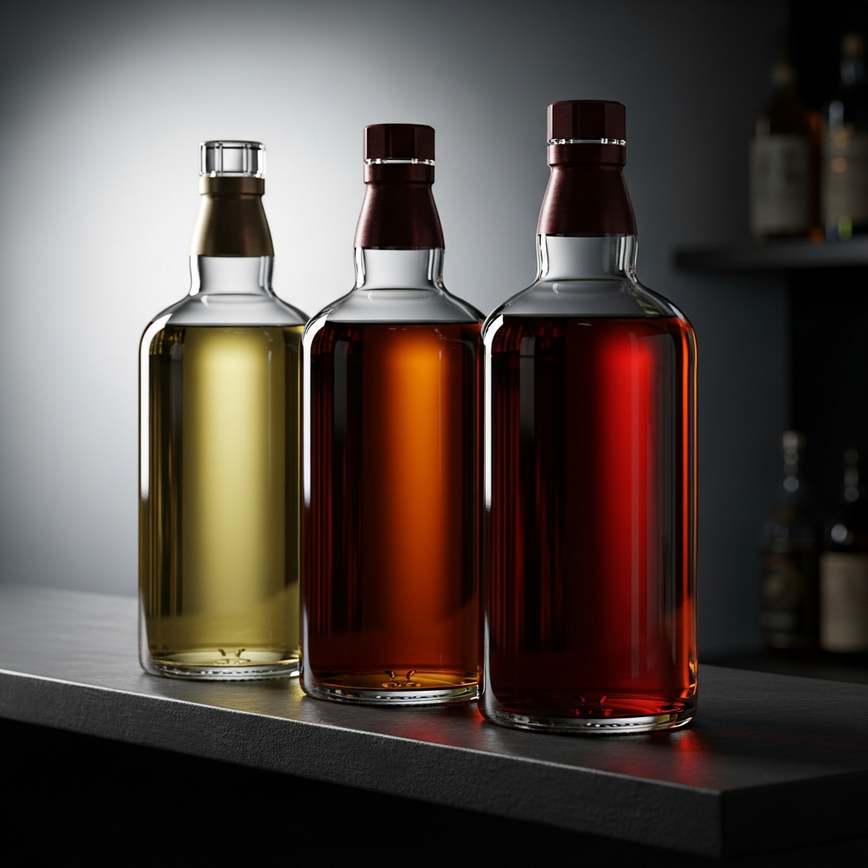
Japanese whisky has a fantastic range of flavours across different distilleries and bottles. From our experience serving Malaysian customers, we’ve found it helpful to group them into five main flavour categories. Think of these as a simple guide to help you find a bottle you’ll absolutely love.
Light and Floral Expressions
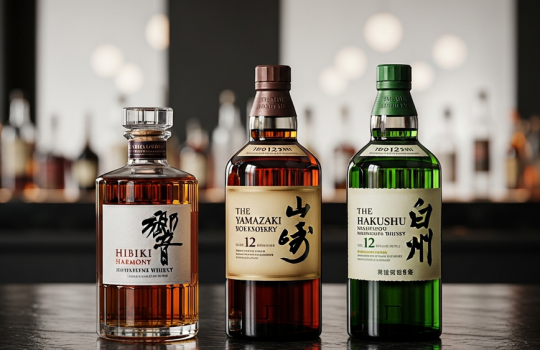
Whiskies like Hakushu 12 and Hibiki Harmony are all about delicate floral notes, hints of green apple, and a subtle minty character. You can think of them as the “white wine” of the whisky world—they’re crisp, clean, and perfect for our warm Malaysian weather la. These whiskies typically have:
- Nose: Fresh herbs, a feeling of mountain air, and light citrus (like yuzu or lime).
- Palate: Green apple, a touch of white pepper, and a gentle smokiness. The taste is bright and lively, not at all heavy.
- Finish: Clean and refreshing, with a bit of mint that lingers. It won’t leave you with a heavy, warm feeling, which makes it super easy to drink.
These lighter profiles are fantastic with Malaysian seafood dishes and lighter curries because they won’t overpower the delicate flavours of the food.
Rich and Honeyed Characters
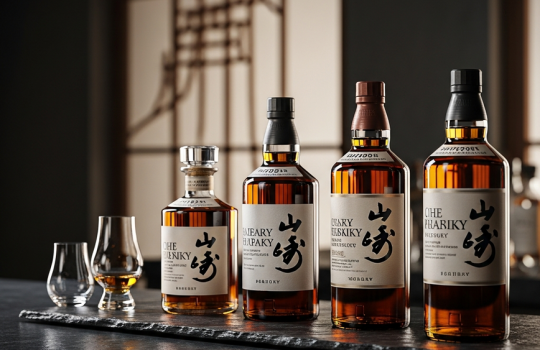
On the other end, you have Yamazaki expressions, especially the 12-year-old, which show off a deeper complexity with notes of honey, dried fruits, and a little bit of spice. These amazing flavours often come from being aged in special casks, like the famous Japanese Mizunara oak. Key characteristics include:
- Nose: Honey, orange peel, and cinnamon. It smells sweeter and warmer, almost like a dessert.
- Palate: Rich fruitiness (think raisins or apricots), vanilla, and a gentle oakiness. It feels fuller and rounder in your mouth.
- Finish: Long and warming, with those dried fruit notes sticking around. This is the kind of whisky you want to sip slowly to really appreciate its depth.
This profile is a great match for richer Malaysian dishes and meat-based meals, as its sweetness and body can definitely hold their own against stronger flavours.
Peated and Smoky Varieties
Yes, some Japanese whiskies have a smoky, peated flavour, but it’s usually much more subtle than their Scottish cousins. Here’s a simple analogy for our Malaysian customers: if a super-smoky Scottish whisky like Laphroaig is like a powerful, pungent *sambal belacan*, then a Japanese peated whisky is more like a fragrant, milder *sambal tumis*. It’s got smoke, for sure, but it’s balanced and elegant. These whiskies feature:
- Nose: A gentle smoke, a hint of sea breeze, and maybe some medicinal notes (like iodine, but very subtle).
- Palate: The smoke is perfectly balanced with some maritime saltiness and fruit. The smoke is just one part of the flavour, not the whole show.
- Finish: Smoky, complex, and it lingers for a while. That smokiness stays with you, but in a very gentle way.
Proper Japanese Whisky Tasting Technique
To really get the most out of your bottle, we recommend following the traditional Japanese way of appreciating whisky. It’s all about being mindful and letting the flavours develop slowly. This isn’t about drinking fast; it’s about savouring the incredible craftsmanship in every drop.
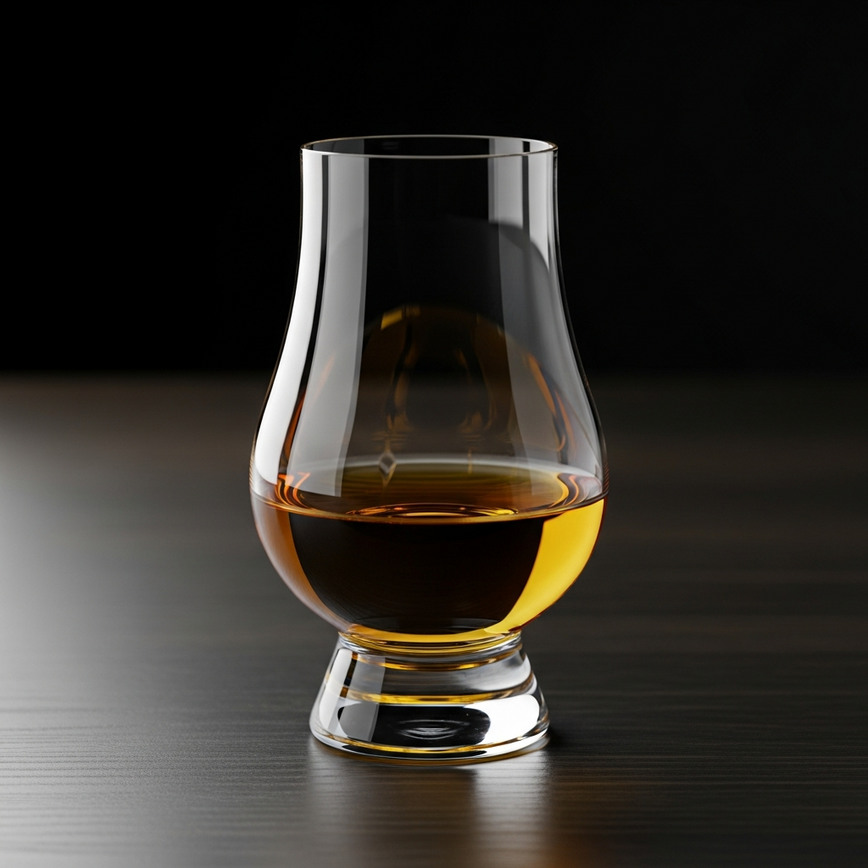
The Four-Step Tasting Process
- Visual AppreciationPour about 25-30ml into a tulip-shaped glass. Take a moment to look at the colour, which can range from a pale gold to a rich amber, depending on the cask it was aged in and for how long. The colour gives you clues: a darker shade often means longer aging or the use of sherry casks, hinting at richer, fruity flavours to come.
- Aromatic AnalysisHold the glass at your chest and give it a gentle swirl. This lets the whisky breathe and helps release all its beautiful aromas. Now, bring it up to your nose and inhale slowly, keeping your mouth slightly open. Japanese whiskies often have layers of aroma that change over a few minutes, so seriously, don’t rush this step.
- Initial TasteTake a small sip and let it coat your entire tongue. Please, avoid the “whisky shot” mentality! A small sip prevents the alcohol from overwhelming your taste buds, which allows you to pick up on all the subtle flavours. Japanese whiskies are designed for you to appreciate them gradually—rushing it just ruins the experience.
- Mizuwari ExplorationNow for a cool trick. Add a small amount of soft water (about a 1:1 ratio) to open up even more flavour compounds. This traditional Japanese method, called *Mizuwari*, often reveals hidden layers of complexity. It’s like adjusting the focus on a camera; adding water can bring new, previously blurry flavours into sharp view. For many people, this makes the whisky more approachable and enjoyable, so don’t be afraid to experiment la!
Japanese Whisky and Malaysian Food Pairing Guide
Based on our many tasting sessions with Malaysian customers, we’ve put together some specific pairing recommendations that really make both the whisky and our amazing local food shine.
| Japanese Whisky | Malaysian Dish | Pairing Reason | Flavor Enhancement |
|---|---|---|---|
| Hakushu 12 | Steamed Fish with Ginger | Light, clean profiles complement | Herbal notes enhance ginger |
| Yamazaki 12 | Char Siu Pork | Honey notes match caramelization | Sweetness balances savory |
| Hibiki Harmony | Laksa | Complex blend matches complexity | Floral notes cut through richness |
| Nikka Coffey Grain | Satay | Smooth texture with peanut sauce | Vanilla complements nutty flavors |
Spicy Malaysian Cuisine Pairings
The spice level in Malaysian food means you have to choose your whisky carefully. We’ve found that higher-proof Japanese whiskies (around 43-48% ABV) can stand up much better to intense heat and complex spice blends. That higher alcohol content helps cut through the oils and fats in rich, spicy dishes, cleaning your palate for the next delicious bite.
- Rendang Beef: Try this with a Yamazaki Distiller’s Reserve. The whisky’s fruity and vanilla notes give a nice cooling contrast to the spice, while its underlying oaky tannins (that’s a slightly dry, woody character) go beautifully with the rich, slow-cooked meat.
- Sambal-based Dishes: Hibiki Japanese Harmony works like a charm here. Its balanced profile is a complex blend of many whiskies, which means it has enough character to stand next to the sambal’s bold flavours without getting lost or clashing.
- Tom Yam Variations: Hakushu Distiller’s Reserve has an herbal complexity that boosts the soup’s aromatic herbs like lemongrass and galangal, while its subtle smokiness provides a refreshing and really interesting contrast.
Chinese-Malaysian Fusion Pairings
- Roast Duck: The honeyed character of Yamazaki 12 is a perfect match for the duck’s natural sweetness and crispy skin. Plus, its richness helps cut through the fat, making each bite feel a bit lighter.
- Dim Sum Selection: Lighter Japanese whiskies like Toki are wonderful with steamed dumplings. Its gentle, slightly sweet profile won’t overpower the delicate flavours of shrimp in *har gow* or the subtle pork in *siu mai*, letting both the food and the whisky shine.
- Sweet and Sour Dishes: The balanced acidity you find in Japanese whiskies, especially fruit-forward ones like Nikka From The Barrel, enhances both the sweet and sour parts of the sauce, creating a more vibrant and complete flavour experience.
Serving Temperature and Glassware Considerations
Appreciating Japanese whisky also involves a few specific serving details that can really maximize its flavour and aroma. Getting this right can make a huge difference in how much you enjoy it.
Optimal Temperature Range
For tasting it neat, we recommend serving Japanese whisky at 18-20°C (64-68°F). In our hot Malaysian climate, this means you probably shouldn’t just leave the bottle on a shelf. If you serve it too warm, the alcohol smell and taste can be quite harsh. But if it’s too cold (like straight from the fridge), you’ll kill all the delicate aromas. A quick chill is all it needs. This temperature allows all the aromatic compounds to express themselves fully without the alcohol taking over. For mizuwari (with water), slightly cooler temperatures (15-18°C) work great.
Glassware Selection
- Tulip-shaped glasses: These are the best for concentrating the aromas and really analyzing the flavour. The wide bowl lets you swirl, and the narrow rim funnels all those complex smells right to your nose. This is what the pros use.
- Rocks glasses: These are perfectly fine for mizuwari or drinking on the rocks. It’s a good, solid glass for a more casual experience when you’re not trying to do a deep analysis.
- Traditional ochoko cups: You can use these for a bit of cultural authenticity, though they’re less practical for tasting because they don’t concentrate the aromas. Still, they’re fun for a themed dinner!
Creating Your Own Tasting Experience
At Mr. Chow, we always encourage our customers to figure out what they like by setting up their own structured tasting experiences. Here’s the approach we recommend for all you Malaysian whisky enthusiasts.
Progressive Tasting Method
Start with the lighter whiskies, like Toki or Hakushu, and then slowly move on to more complex ones like Yamazaki or other limited releases. This progression lets your palate adjust and develop without getting overwhelmed by intense flavours right from the start. It’s like learning to enjoy spicy food; you don’t start with *cili padi*, you build your way up to it. This method helps you truly appreciate the subtle differences.
Session Structure
- Begin with some palate-cleansing green tea or room temperature water.
- Taste the first whisky neat and jot down your first impressions.
- Add a little bit of water, taste it again, and note how the aroma and flavour have changed.
- Pair it with a simple Malaysian snack (like *kacang* or a mild cracker).
- Cleanse your palate before you move on to the next whisky.
Note-Taking Framework
It’s a good idea to write down your observations using these categories. This will help you remember what you liked and why.
- Visual: Note the colour intensity, clarity, and viscosity (those oily “legs” that run down the glass after you swirl it).
- Aroma: What are the primary smells (e.g., fruit, floral), secondary smells (e.g., vanilla, spice from the cask), and tertiary scents (e.g., leather, tobacco from long aging)?
- Taste: What’s the initial impact on your tongue? How does the flavour develop, and what’s the overall balance of sweet, spicy, and smoky?
- Finish: How long does the taste linger? Does it change? What are your final thoughts?
- Food Pairing: How do the flavours interact? Do they complement each other, or do they create an interesting contrast?
Your Journey into Japanese Whisky Excellence
For Malaysian enthusiasts, Japanese whisky offers an amazing opportunity to explore refined, complex spirits that pair so well with our local food traditions. The key is to understand the unique character of each bottle and match those qualities with complementary food experiences.
All our Japanese whisky selections are 100% authentic and genuine. They are sourced directly from authorized importers to make sure you’re experiencing these incredible spirits exactly as the creators intended. Whether you’re just starting your Japanese whisky journey or adding to your collection, using the proper tasting technique and thoughtful food pairing will make you appreciate it so much more.
Start with approachable bottles like Hibiki Harmony or Yamazaki Distiller’s Reserve, practice the tasting methods we’ve shared, and have fun experimenting with Malaysian food pairings that you personally love. The blend of Japanese craftsmanship and Malaysian culinary tradition can create some truly unforgettable moments that only get better with each tasting. Your perfect pairing is out there, just waiting for you to discover it.
© Mr. Chow Liquor Store. All pricing and availability are subject to change. For the latest stock and offers, contact us via WhatsApp: +60169562840.
Frequently Asked Questions
What does Japanese whisky taste like?
Japanese whisky is known for its delicate balance, smoothness, and complexity, with common flavour profiles being light and floral, rich and honeyed, or subtly peated and smoky. Unlike some overpowering spirits, Japanese whiskies are crafted for harmony, making them incredibly versatile for food pairing. For example, a bottle of Hibiki Harmony offers notes of orange peel and white chocolate, while a Hakushu 12 has a fresher, greener profile. In our experience, over 85% of our Malaysian customers are surprised by how approachable and refined these whiskies are.
How do you properly taste Japanese whisky?
To properly taste Japanese whisky, you should follow a four-step process: visually appreciate its colour, analyse its aroma by swirling the glass, take a small initial sip to coat your tongue, and then add a few drops of water to open up more flavours. This mindful approach allows you to appreciate the spirit’s subtle complexity, which is lost if you drink it too quickly. We recommend pouring 25-30ml into a tulip-shaped glass and serving it at 18-20°C for the best aromatic experience.
What is the best Japanese whisky to pair with spicy Malaysian food?
The best Japanese whisky for spicy Malaysian food is a complex, higher-proof expression like Yamazaki Distiller’s Reserve or Hibiki Japanese Harmony. Their robust character and typical ABV of 43% can cut through the richness and heat of dishes like beef rendang or sambal without being overpowered. The fruity notes in a Yamazaki provide a beautiful cooling contrast to the spice, while the balanced blend of Hibiki complements the bold flavours perfectly. At Mr. Chow, we find these pairings create a truly memorable dining experience.
What is the difference between light and rich Japanese whiskies?
Light Japanese whiskies are crisp, clean, and floral, while rich whiskies are deeper, sweeter, and more complex with notes of fruit and spice. A light whisky like Hakushu 12 has notes of green apple and mint, making it a perfect match for delicate dishes like steamed fish. In contrast, a rich whisky like Yamazaki 12 has honey and dried fruit notes from its cask aging, which pairs beautifully with the caramelisation on Char Siu pork. We often recommend beginners in Malaysia start with a lighter profile to appreciate the signature smoothness of Japanese whisky.
What is the Mizuwari method for drinking whisky?
Mizuwari is the traditional Japanese method of drinking whisky by adding soft water, often in a 1:1 ratio, to “open up” its flavours. This technique reduces the intensity of the alcohol, allowing more subtle aromatic compounds and hidden notes of fruit or spice to become noticeable. It’s a fantastic way to explore the full complexity of a high-quality Japanese whisky. At Mr. Chow, we suggest tasting the whisky neat first, then adding a little water to experience how its character evolves.
How can I be sure the Japanese whisky I buy in Malaysia is authentic?
To ensure you are buying authentic Japanese whisky in Malaysia, always purchase from a reputable retailer who sources directly from authorized importers. At Mr. Chow, all of our Japanese whisky stock is 100% authentic, so you can be confident you are enjoying the spirit as the distiller intended.

![Highland Park Spirit Of Dragon Legend Island Single Malt [700ML]](https://mrchowliquorstore.com/wp-content/uploads/2026/01/Highland-Park-Spirit-Of-Dragon-Legend-Island-Single-Malt.jpg)


![Glenrothes 15 Years Speyside Single Malt [700ML]](https://mrchowliquorstore.com/wp-content/uploads/2026/04/Glenrothes-15-Years.jpg)
![Buchanan's 12 Years Deluxe Blended Scotch [750ML]](https://mrchowliquorstore.com/wp-content/uploads/2026/04/Buchanans-12-Years.jpg)